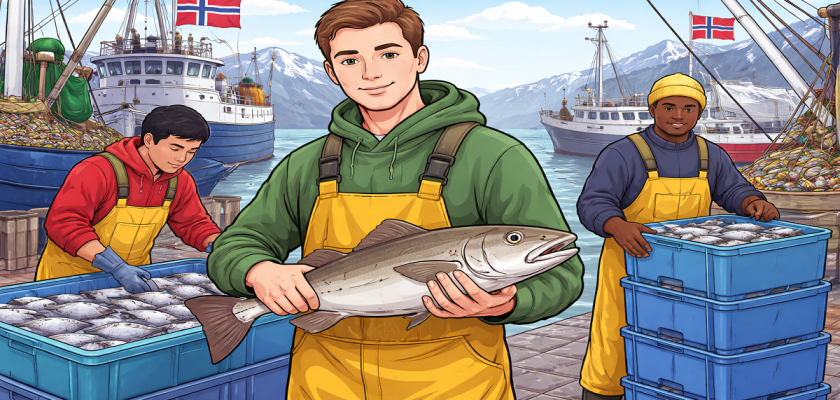
The Scandinavian fishing industry has long been recognized as one of the most efficient, sustainable, and profitable sectors in Europe. Countries like Norway, Iceland, Denmark, and Sweden have built a global reputation for their advanced fishing practices, high-quality seafood exports, and strong labor protections.
For foreigners seeking seasonal employment or high-paying roles abroad, this industry offers a unique opportunity to earn well while experiencing life in some of the world’s most scenic and organized countries.
In 2026, as the world demands more sustainable protein, these nations are expanding their operations, making visa sponsorship jobs in fisheries more available than ever.
In recent years, the demand for foreign workers in the Scandinavian fishing sector has increased significantly. Labor shortages during peak fishing seasons, combined with the physically demanding nature of the work, have opened doors for international workers.
Whether you are looking for short-term seasonal work or aiming for a long-term career in fisheries, Scandinavia provides a wide range of options with competitive salaries and structured working conditions.
Overview of the Scandinavian Fishing Industry
The fishing industry in Scandinavia plays a crucial role in the region’s economy. Norway and Iceland, in particular, are among the world’s leading exporters of seafood, including salmon, cod, herring, and mackerel.
These countries combine traditional fishing techniques with modern technology, ensuring both efficiency and sustainability. Norway’s Directorate of Fisheries strictly regulates these waters to ensure long-term profitability.
Fishing activities are carried out year-round, but there are specific peak seasons when demand for labor increases dramatically. During these periods, companies actively recruit foreign workers to support operations such as catching, processing, packaging, and exporting seafood products.
The integration of AI-driven processing and automated tracking in 2026 has made the work more technical, requiring workers with a high degree of digital literacy.
Why Foreign Workers Are in High Demand?
There are several reasons why Scandinavian fishing companies hire foreign workers. Firstly, local populations are relatively small, and not enough workers are available to meet the seasonal demand in remote coastal villages.
Secondly, the work is physically demanding and often requires long hours in cold conditions, making it less attractive to some local youth who prefer urban office roles.
Foreign workers, especially from Asia, Eastern Europe, and Africa, are often willing to take on these roles due to the significantly higher wages compared to their home countries. In Scandinavia, labor rights are paramount.
Every worker, regardless of origin, is protected by strict collective bargaining agreements. This ensures that the exploitation often found in other global markets is virtually non-existent here.
Seasonal Opportunities and Peak Periods
Seasonal jobs are the most common entry point for foreigners in the Scandinavian fishing sector. These roles typically last between three to six months, allowing workers to return home with substantial savings. Peak seasons vary by country and species:
- Norway (Cod/Skrei): January to April is the legendary ‘Lofotfisket’ season, where thousands of workers are needed in Northern Norway.
- Iceland (Herring & Capelin): Late autumn and winter months see a massive spike in processing demand.
- Denmark (Mackerel & Shellfish): Peak opportunities often occur during the summer and early autumn months.
Types of Jobs Available for Foreigners
The fishing industry offers a wide range of job roles suitable for different skill levels. Entry-level positions are the most accessible for foreigners with little prior experience.
1. Fish Processing Workers (Factory Hands)
These workers are based on land in processing plants. Tasks include gutting, filleting, sorting, and freezing fish. Modern plants are highly sanitized and use high-tech machinery, but the work remains repetitive and requires stamina.
2. Deckhands (Offshore Roles)
Working directly on fishing vessels, deckhands handle nets, maintain the boat, and process fish at sea. This is the most demanding role but also the most rewarding financially. It requires a STCW Safety Certificate and a clean medical bill.
3. Packaging and Quality Control
Ensuring the seafood meets European export standards is critical. These roles involve checking the freshness of the catch, managing the cold chain, and ensuring labels are correctly applied for global shipping.
Salary Expectations in 2026
Salary levels in Scandinavia are among the highest in the world. As of 2026, the minimum hourly wage for a fish processing worker is approximately €21 to €25 (approx. 240-280 NOK). Entry-level workers can expect to earn between €2,800 and €4,200 per month before tax, depending on overtime.
Skilled roles like engineers, vessel captains, and specialized mechanics can earn upwards of €7,000 per month. Furthermore, offshore workers often receive a percentage of the catch value, which can lead to massive bonuses during a successful season.
To ensure you are being paid fairly, it is wise to research EU pay transparency laws which protect workers across the region.
Requirements and Eligibility
While formal education is rarely required for factory work, certain criteria must be met to work in Scandinavia legally:
- Physical Fitness: You must be able to stand for 8-12 hours and lift heavy loads in cold environments.
- English Proficiency: Basic conversational English is necessary for safety inductions and following supervisor instructions.
- Work Permits: For non-EU/EEA citizens, a Seasonal Work Permit is required. This usually requires a formal job offer from a Scandinavian company first.
- Criminal Record Check: Most reputable companies require a clean police clearance certificate.
How to Find Legitimate Jobs and Avoid Scams?
The high salary potential of this industry attracts many scammers. Always remember that a legitimate employer will NEVER ask you to pay for a job offer. You should always detect and avoid international job scams by verifying company registrations on official government portals.
Top Resources for Job Hunting:
- NAV.no: The official Norwegian labor and welfare portal.
- EURES: The European Job Mobility Portal, which lists verified seasonal roles.
- Direct Company Websites: Large firms like Mowi, Lerøy Seafood, and SalMar often have their own recruitment portals.
Challenges: The Reality of the Job
It is not all high pay and scenic views. Workers must be prepared for:
- Extreme Cold: Working in sub-zero temperatures (especially in Norway and Iceland).
- Seasickness: For offshore deckhands, this is a major factor.
- Isolation: Many processing plants are in remote villages where social life is limited.
- High Cost of Living: While you earn a lot, groceries and services in Scandinavia are expensive.
FAQs About Working In The Scandinavian Fishing Industry
1. Do I need to speak Norwegian or Icelandic?
While helpful, it is not mandatory. Most international plants use English as the primary language for communication among foreign staff.
2. Is accommodation usually provided?
Yes, many seasonal employers provide subsidized “Staff Houses.” The cost is usually deducted from your salary, typically ranging from €300 to €600 per month.
3. Can I bring my family?
Seasonal work permits usually do not allow for family reunification. However, long-term skilled contracts may provide this option.
4. What is the tax rate?
In Norway, seasonal workers often pay a flat tax rate of around 25% under the ‘PAYE’ (Pay As You Earn) scheme for foreign workers.
5. Are there age limits?
Legally, you must be at least 18. There is no upper limit, but you must pass a physical health check for offshore roles.
6. How do I get my salary?
You will need to open a local bank account (like a D-number account in Norway) to receive electronic payments. Cash payments are rare and often a sign of illegal employment.
7. What happens if I get injured?
Scandinavian employers are required to have mandatory industrial injury insurance for all employees.
8. How many hours a week will I work?
Standard is 37.5 to 40 hours, but during peak season, overtime can take this up to 50-60 hours (all paid at higher rates).
9. Can I work in multiple countries in one year?
Yes, if your visa allows. Many workers follow the seasons from Norway in the winter to Denmark or Iceland in the summer.
10. What clothes should I bring?
While companies provide specialized waterproof gear, you must bring high-quality thermal base layers and wool socks.
Conclusion
The Scandinavian fishing industry offers a promising opportunity for foreigners seeking seasonal employment or high-paying roles abroad. With competitive salaries, structured working conditions, and a high demand for labor, it stands out as an attractive option for international workers.
While the work can be challenging, those who are prepared and motivated can gain valuable experience, earn substantial income, and potentially build a long-term career in this thriving industry.
The secret to success lies in preparation, physical readiness, and a commitment to safety in one of the world’s most vital food sectors.


