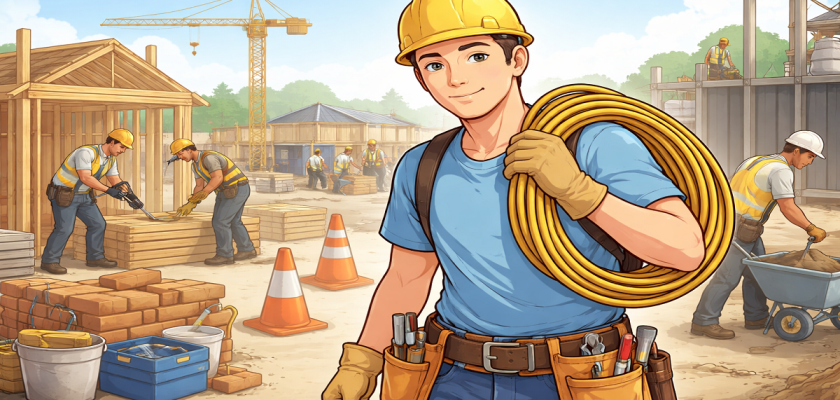
Starting a career in construction with no prior experience may seem challenging at first, but in reality, it is one of the most accessible and rewarding industries for beginners. The construction sector constantly needs skilled and unskilled workers, making it an excellent choice for individuals looking to build a stable and long-term career. Whether you are a recent graduate, someone looking to switch careers, or simply seeking a practical and hands-on job, construction offers numerous opportunities to grow.
The beauty of the construction industry lies in its flexibility. You don’t necessarily need a college degree to get started. Instead, what matters most is your willingness to learn, your work ethic, and your ability to adapt to physical and technical tasks. With proper guidance and a clear plan, anyone can enter this field and progress into higher-paying roles over time.
This step-by-step guide will walk you through everything you need to know to start a career in construction from scratch. From understanding the industry to gaining skills, finding your first job, and building long-term success, this article will provide you with a complete roadmap.
Understanding the Construction Industry
Before jumping into the field, it is important to understand how the construction industry works. Construction involves building infrastructure such as homes, roads, bridges, and commercial structures. It includes various roles like laborers, electricians, plumbers, carpenters, and site supervisors.
Each role requires different skill levels, but many entry-level positions do not require prior experience. Starting as a general laborer is one of the most common ways to enter the field. Over time, you can specialize in a trade that matches your interests and abilities.
Identify Your Career Goals
Even if you are starting without experience, having a clear goal can help you move faster. Ask yourself what type of work interests you most. Do you prefer working with tools, managing projects, or learning technical skills like electrical work?
Setting a goal early allows you to focus your efforts on acquiring the right skills and certifications. It also helps you choose the right entry-level job that aligns with your long-term career plan.
Learn Basic Construction Skills
You don’t need formal training to begin, but learning basic construction skills can give you an advantage. These include understanding tools, measuring materials, safety procedures, and basic building techniques.
You can learn these skills through free online resources, YouTube tutorials, or short vocational courses. Even simple knowledge such as how to use a hammer, drill, or measuring tape correctly can make a big difference when applying for jobs.
Get Safety Training and Certifications
Safety is a top priority in the construction industry. Employers prefer candidates who understand workplace safety rules. Basic safety training, such as OSHA (Occupational Safety and Health Administration) courses or similar local certifications, can improve your chances of getting hired.
These certifications show that you are serious about your career and understand how to prevent accidents. It also makes you more valuable to employers.
Start with Entry-Level Jobs
When you have no experience, the best way to enter the construction field is through entry-level jobs. Positions such as general laborer, helper, or construction assistant are ideal starting points.
These roles allow you to gain hands-on experience while working alongside skilled professionals. You will learn how construction sites operate, how teams coordinate, and how projects are completed from start to finish.
Consider Apprenticeships
Apprenticeships are one of the best ways to learn a trade while earning money. In an apprenticeship program, you work under experienced professionals and receive on-the-job training combined with classroom learning.
This is especially useful if you want to become a specialized worker such as an electrician, plumber, or carpenter. Apprenticeships usually last a few years but provide a clear path to higher-paying jobs.
Build Physical and Mental Strength
Construction work can be physically demanding. It often involves lifting heavy materials, working outdoors, and standing for long hours. Building physical strength and stamina will help you perform better and avoid injuries.
Mental strength is equally important. Construction work requires patience, focus, and the ability to follow instructions carefully. Developing discipline and a positive attitude can significantly improve your performance.
Develop Soft Skills
While technical skills are important, soft skills also play a crucial role in your success. Communication, teamwork, and problem-solving are essential in construction projects.
You will often work as part of a team, so being able to communicate clearly and cooperate with others is vital. Employers value workers who are reliable, punctual, and willing to learn.
Network and Build Connections
Networking can help you find job opportunities faster. Talk to people already working in construction, join local trade groups, or connect with contractors and builders in your area.
Many construction jobs are filled through referrals and recommendations. Building strong relationships can open doors to better opportunities.
Keep Learning and Growing
The construction industry is constantly evolving with new technologies and methods. To grow in your career, you must keep learning. Take additional courses, learn new tools, and stay updated with industry trends.
As you gain experience, you can move into specialized roles, supervisory positions, or even start your own construction business.
FAQs About Start a Career in Construction with No Experience
1. Can I start a construction career without any qualifications?
Yes, you can start a construction career without formal qualifications. Many entry-level jobs only require basic physical ability and a willingness to learn. However, gaining certifications later can improve your career prospects.
2. What is the easiest construction job to start with?
General laborer or helper roles are the easiest entry points. These positions require minimal experience and allow you to learn on the job while assisting skilled workers.
3. How long does it take to become skilled in construction?
It depends on the trade you choose. Basic skills can be learned within a few months, but becoming highly skilled may take a few years of experience and training.
4. Do construction jobs pay well for beginners?
Entry-level salaries may be modest, but they increase significantly as you gain experience and specialize in a trade. Skilled workers often earn competitive wages.
5. Is construction work physically demanding?
Yes, construction work can be physically challenging. It involves lifting, bending, and working in various weather conditions. Building physical fitness can help you handle these demands.
6. What skills are most important in construction?
Basic tool handling, safety awareness, teamwork, and communication are essential skills. As you progress, technical skills in specific trades become more important.
7. Are apprenticeships necessary?
Apprenticeships are not mandatory but highly recommended. They provide structured training and help you gain expertise while earning an income.
8. Can I switch to construction from another career?
Yes, many people transition into construction from different fields. With determination and willingness to learn, you can successfully start a new career in this industry.
9. What are the best trades to learn in construction?
Popular and in-demand trades include electrical work, plumbing, carpentry, and masonry. Choosing a trade depends on your interests and market demand.
10. Is there career growth in construction?
Yes, construction offers excellent career growth. You can move from entry-level roles to skilled trades, supervisory positions, or even start your own business.
Conclusion
Starting a career in construction with no experience is completely possible with the right approach. By understanding the industry, learning basic skills, gaining certifications, and starting with entry-level roles, you can build a strong foundation. Over time, consistent learning and hard work will open doors to better opportunities and higher income.
The construction industry rewards dedication and practical skills. If you are willing to put in the effort and stay committed, you can create a successful and long-lasting career from scratch.


